

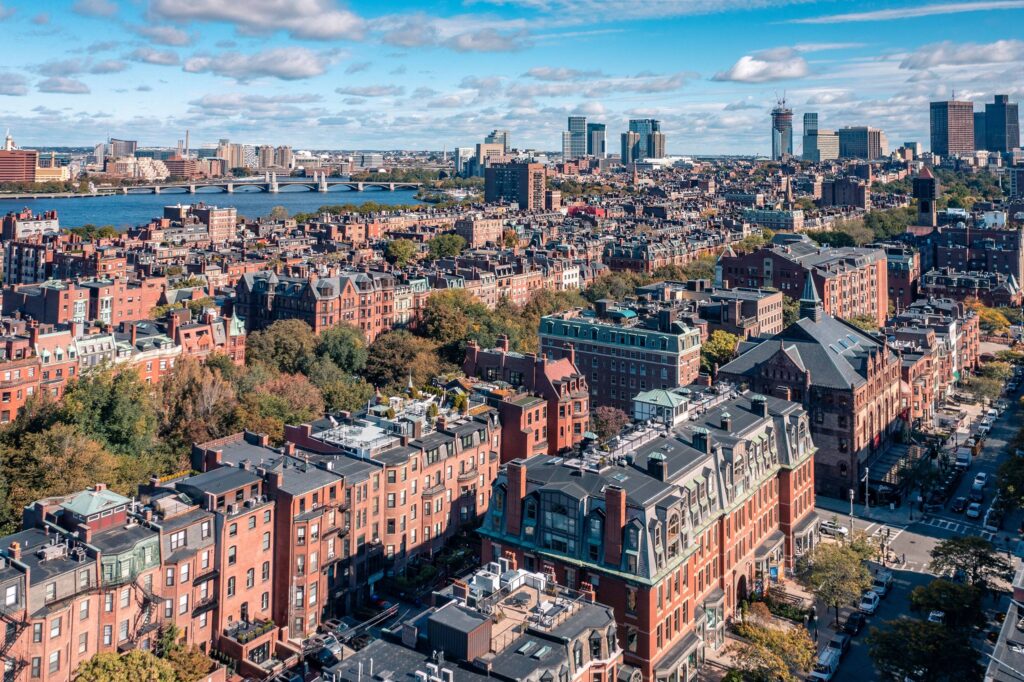
Boston Neighborhoods Guide for FIFA World Cup Visitors
When imagining Boston, most people picture oceanside streets with catch-of-the-day seafood restaurants and historic pubs frequented by the Founding Fathers. The good news? Boston has many such places. The better news? It also offers so much more.
As the 2026 FIFA World Cup matches draw nearer, understanding the different neighborhoods in Boston can ensure you stay in the right place and sightsee in between matches. From the historic to the academic, here’s our breakdown of the city’s many neighborhoods.
Central Boston Neighborhoods
The heart of the city, Central Boston, is an excellent place for first-timers to stay. It’s well-connected by public transit, making it easy to get to Boston World Cup matches at Gillette Stadium, and is surrounded by a mix of historic and modern attractions.
Downtown Boston is a fascinating area to explore. It’s one of the oldest continuously developed urban cores in the United States, with layers of colonial streets nestled amongst 19th and 20th century office buildings. More commercial than residential, the area feels comparatively quiet once office workers return home.
West of Downtown Boston is Beacon Hill. Considered one of the best neighborhoods in Boston, the area is another great place for Boston FIFA fans to stay. With cobblestone streets, federal row houses, and gas lighting, it’s quiet, polished, and offers a European feel that’s notably hard to find in the United States.
North End—as its name implies—is just north of the city center. It’s one of Boston’s oldest residential neighborhoods and was profoundly shaped by immigrants in the 19th and 20th centuries. While North End is lively to the point of sometimes feeling crowded, its walkability and access to nearby neighborhoods are almost unmatched.
Waterfront and Entertainment Areas
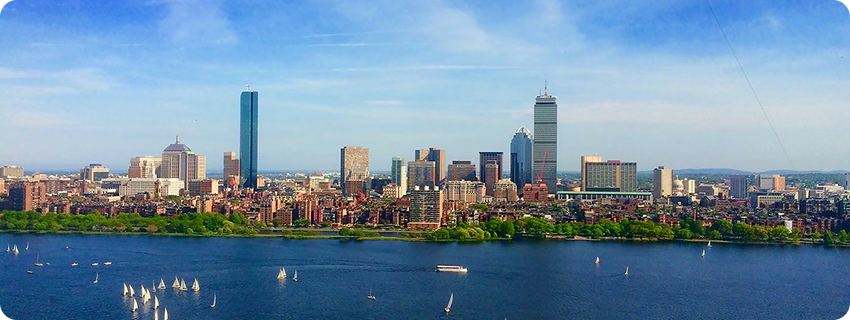
Boston is an oceanfront city, but depending on where you are within the region, that can carry different meanings. Some of the city’s waterfront and entertainment areas have recently undergone extensive development, making them ideal for travelers. Others remain largely untouched residential blocks holding on to their working-class roots while the city develops around them.
In the past few decades, the Seaport District has gone from a collection of piers and warehouses to a contemporary area of glass skyscrapers, wide sidewalks, and waterfront parks. While transit options are still growing, it features a large collection of hotels, making the Seaport District a great area to consider for Boston World Cup fans wondering where to stay.
Across the Boston Harbor is East Boston. It offers some of the best views of the city, but has a completely different feel from the Seaport District. East Boston was historically a working-class, immigrant neighborhood with ties to local shipping and industry. It remains one of the more residential-facing neighborhoods in Boston.
Cultural and Residential Neighborhoods
Beyond Boston’s historic core and waterfront districts are a group of neighborhoods that center on a more human side of the city. While they lack the landmarks and major attractions of the city center, their residential streets, independent restaurants, and longstanding creative communities offer the chance to tap into something just as rich.
South End came into being in the 20th century as a planned residential district. Victorian brownstones and garden squares sit alongside art galleries and Pride flags, making the area one of the most colorful neighborhoods of Boston. If you plan on staying there for the 2026 Boston World Cup, expect a vibe that feels refined yet not formal; a balance of residential calm and cultural vibrance.
Across the Boston Harbor is East Boston. It offers some of the best views of the city, but has a completely different feel from the Seaport District. East Boston was historically a working-class, immigrant neighborhood with ties to local shipping and industry. It remains one of the more residential-facing neighborhoods in Boston.
University and Creative Districts
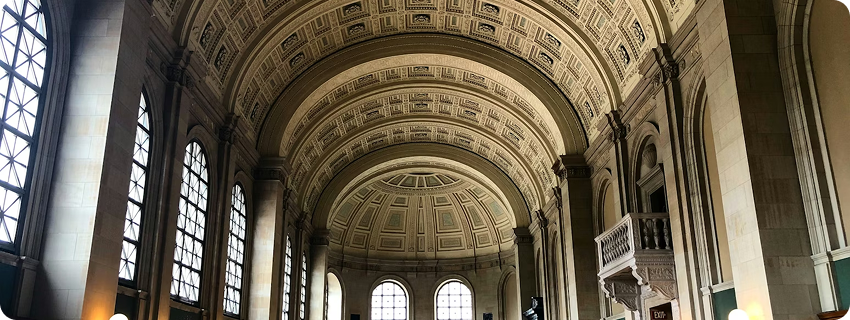
If you want to feel like an academic—or perhaps Elle Woods in Legally Blonde—you might find the university and creative districts the best neighborhoods to stay in Boston for the FIFA World Cup. Defined by world-class institutions, vibrant artistic communities, and a constant stream of new residents, these areas show an ever-evolving side of the city.
Cambridge is not just one of the most academically influential areas of Boston, but of the U.S., as a whole. Home to top-tier, historic universities like Harvard and MIT, the intellectual atmosphere extends far beyond university limits and into the cafes, bookstores, and other independent venues in the area. Walkable and lively, Cambridge is an excellent option for Boston FIFA fans who’ve visited the city before, as well as for travelers looking to enjoy longer visits.
North of Cambridge is Somerville. Technically a separate city, Somerville is home to a historically industrial, working-class community. Over the past few decades, the neighborhood has become a hub for students and creatives, giving it an eclectic energy and a strong sense of character. If you stay there, expect fewer hotels but lower rates, along with a strong local dining scene and expanding transit access.
Allston-Brighton is east of Fenway-Kenmore and is another student-heavy part of the city. With a collection of bars, restaurants, and music venues, the area is both hipster and lively, offering visitors a dynamic urban experience.
How to Choose the Right Neighborhood for the Boston World Cup
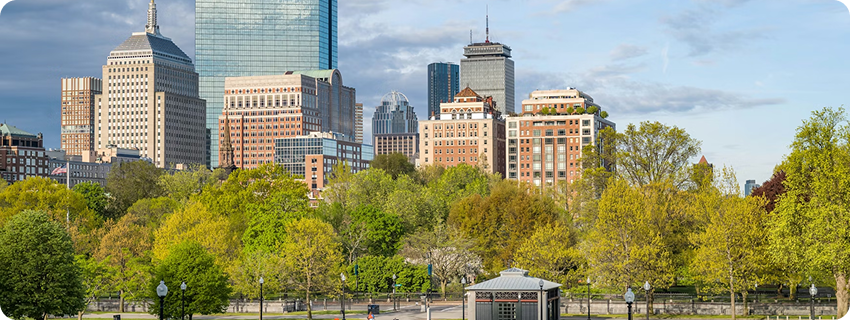
Given the number of Boston neighborhoods, travelers will want to consider factors like budget, preferred atmosphere, and transit access.
In general, Downtown and nearby neighborhoods have higher rates, particularly during events like the 2026 Boston World Cup. Nearby areas like Beacon Hill and North End are home to fewer hotels, so book early and understand that scarcity further drives prices. Cambridge, Somerville, and other more remote locations generally feature lower prices.
If nightlife and lively energy are expectations, Seaport, Fenway-Kenmore, and North End will be strong contenders for the best neighborhoods to stay in Boston for tourists. Alternatively, families or travelers seeking a quieter atmosphere will benefit from staying in more residential-facing neighborhoods. While hotels may be limited in such areas, Airbnbs and Vrbo rentals are always options.
Regardless of the neighborhood you decide on, most visitors will want to prioritize staying near an MBTA station. Even if your accommodations are far away from Gillette Stadium, a transit ride to see the July 9th World Cup Quarterfinals (or one of the other six matches) will almost always beat driving.
Whether it has cobblestone streets, towering skyscrapers, or world-class lecture halls, each Boston neighborhood represents a different chapter of the city’s history. Given that, try to view choosing an area as much of a cultural decision as a practical one.


Your Complete Boston World Cup Guide
Experience your World Cup fandom to the fullest with our Boston World Cup Guide. Find great watch parties, bars, breweries, events, and more for the 2026 tournament.