

Getting Around Boston Without a Car
Ask a local, “How’s the public transportation in Boston?” and you’re bound to hear about how the commuter rail was 6 minutes late this morning and how the construction on the Red Line was horrific. Commiserating about the T, as it’s known, unites the region on a level that rivals devotion to the local sports teams. But Boston boasts one of the busiest, most expansive, and best public transportation systems in America. So if you’re in town for World Cup Boston but didn’t bring a car, use this guide to get around.
Boston Public Transportation Basics
Boston sports fans are no strangers to tournaments, whether they be pro sports playoffs or college hockey tournaments like the Beanpot. But the FIFA World Cup is just a bit different; in fact, the 2026 World Cup is different than in years past. One key difference from most American sports tournaments is the group stage.
SKIP TRAFFIC ON SUBWAYS
Boston built the first subway lines in North America, but you’d probably guess that just by looking into a station. The MBTA has been working to update and modernize the rail system and stations, but accessibility remains a challenge. Most stations require riders to go up and down stairs, without elevators or escalators. For riders who use or require wheelchairs, these can present challenges.
Another difficulty of Boston’s subway system is the frequency of trains. While Boston FIFA fans won’t have to miss half of the action waiting on a train, the slightly longer wait times make for more crowded trains. You’ll notice Bostonians take off their backpacks and other bags on trains in an effort to make space, something visitors should also do, but while keeping an eye on their belongings.
One great aspect of the Boston public transportation map is that it’s color-coded, with each line corresponding to a noteworthy site or feature. Understand the colors, and you’ll be able to get to a recognizable hot spot even if you get lost.
- Red Line: Named because it goes to Harvard, whose main color is crimson. Use this line to get back and forth from Downtown to Cambridge or even get as far as Braintree.
- Orange Line: The Orange Line is named because it runs along Washington Street, which was originally named Orange Street. Use the Orange line to get to Chinatown, or get to transit hubs like Back Bay and North Station.
- Blue Line: Named because it runs both along and underwater, the Blue Line can connect you from Downtown to the Aquarium (go figure) and the airport.
- Green Line: The Green Line runs through Boston’s Emerald Necklace parks, hence green. It’s the most complex Boston public transportation line, because it runs at street level and underground and has multiple branches. But it’s your gateway to Fenway, Boston College, Copley Square, and the Museum of Fine Arts.
Explore the Region on Commuter Lines
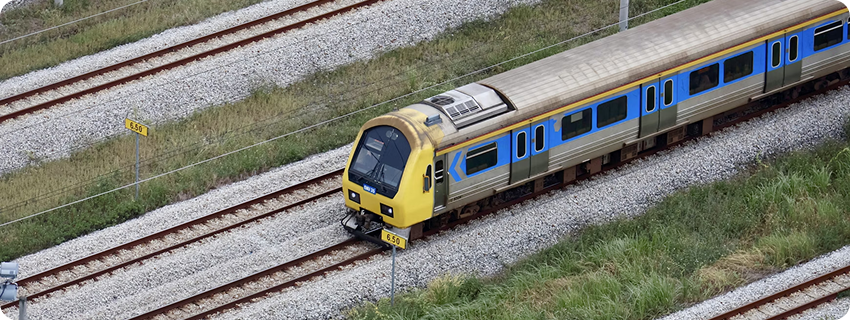
Whatever the barriers of Boston’s subway system, the commuter rail more than makes up for them. Boston FIFA fans will surely become familiar with the commuter rail, as the city plans to operate a Boston Stadium train. It’s also a great way to get into Boston if you book a hotel or Airbnb outside the city. A hotel in Dedham, for example, would put you in the perfect spot for short commuter train trips to Boston and Boston Stadium, which is technically in Foxborough (Foxboro).
The commuter rail connects cities and towns in every direction to Boston, from Rockport to Wickford and New Bedford to Lowell. With tickets ranging in price from just over $2 to $14, one-way, it’s also an affordable option to get around the region. You can buy tickets at the station or using the mTicket app if you prefer to use a digital wallet.
Boston also has 177 bus routes and a ferry service that feed into the major transit systems, making it even easier for people getting around Boston without a car. These tend to be more accessible as well, and offer contactless payment using a smartphone for even easier use.
Using Rideshares and Taxis
If you’d rather not deal with Boston public transportation as you navigate Boston World Cup games and events, there are also rideshare and taxi options. Boston offers the traditional rideshare options available in most major North American cities, in addition to Taxi-hail apps and specialty platforms for specific users. Some tips to stretch or save your World Cup Boston transportation budget.
- Pickup Zones: Many major attractions, including the airport, have dedicated rideshare pickup zones. At the airport, these are located with signage at each terminal. Out and about in the city, look for staff to help. You may also find that the apps themselves direct you to the correct pickup zones.
- Avoiding Surge Pricing: Taking a rideshare from Boston’s South Station to Boston Stadium can cost from $47 to $130, not accounting for surge pricing. If you’re looking to rideshare to catch a game like France v. Norway on June 26th, expect an even higher price. You can try to avoid this by heading earlier, and don’t worry, there’s plenty to do at Patriot Place, where Boston Stadium is located.
Walking and Biking in Boston
Boston is one of the most walkable cities in the country, and one of the most walkable cities hosting the 2026 FIFA World Cup. You have to start leaving city limits before you reach unwalkable places, with dense neighborhoods all throughout the city.
WALKABLE NEIGHBORHOODS
Boston is highly walkable, and you’re never more than a couple stops on Boston public transportation away from another walkable neighborhood. That said, there are some neighborhoods that truly demand to be walked.
- Beacon Hill: Home to Boston Common, the Mass State House, and tons of bars, pubs, and shopping. A stroll through can fill an entire day, so don’t pick a FIFA World Cup Boston gameday for your visit!
- Chinatown: Walking from the entry gate down through the neighborhood lets you truly appreciate the last Chinatown still standing in New England. Pop in somewhere for dimsum service and make a day out of it.
- North End: History, Food, Coffee, it’s all great and in the North End. Walking through gives you a chance to read the historic markers, smell the fresh-baked goods, and find your new favorite cafe.
- Back Bay: There’s a lot to walk around and see in Back Bay, but a perennial favorite is Newbury Street. Brownstones and stores collide on one packed street.
- Fenway/Kenmore: Walking around Fenway Park is never a bad idea. You’ll also be a short Green Line trip to the Museum of Fine Arts for a little more walking.
BIKING IN BOSTON
Boston is continuously improving its bike infrastructure, if for no other reason than to keep up with neighboring cities. With Bluebike rentals offering traditional and electric bikes, it’s never been easier to ride from an outlying suburb into downtown. A combination of greenways, bikeways, and dedicated bike lanes helps increase the safety of travelling this way. It sadly isn’t possible to bike to Boston Stadium from Downtown, otherwise that’d be our preferred method for catching World Cup Boston action.
Late-Night Transportation
If Boston public transportation had an Achilles heel, it would be its hours of operation. Most transportation options cut off by 1 am, which is an hour before most bars close for the evening. Rideshares and designated drivers will offer your best opportunity for getting home after the bars close. Otherwise, you can plan ahead and check Boston public transportation schedules in advance.
Match-Day Transportation Tips
There is no way to drive to Boston Stadium for a major event without hitting traffic. Perhaps the only people who beat the traffic are people from Maine who drive down at 4am or earlier because they have to. Expect it, plan for it, and embrace it as part of the experience. On your way down Route 1, be wary of unofficial traffic conductors who may be trying to wave you into their overpriced lot far away from the stadium. Follow the instructions of the police and official stadium staff.
If you want to avoid traffic, the official Boston Stadium Train will go directly to the stadium. The trains are slated to run express from the Boston area (like South Station) to speed up access to all the World Cup Boston Games. If past experience teaches us anything, the stadium train will have an atmosphere all its own.
Other major event trains, like the Taylor Swift and Beyoncé concerts, were both packed with fans, singing their favorite songs on the way down. Expect these stadium trains to be brimming with enthusiasm, supporters’ chants, and pregame revelry. Just be sure to get your designated ticket when they are released in Spring 2026.


Your Complete Boston World Cup Guide
Experience your World Cup fandom to the fullest with our Boston World Cup Guide. Find great watch parties, bars, breweries, events, and more for the 2026 tournament.